Language as a Key Marker of National Identity in the Works of Ukrainian Cardinal Josyf Slipyj (1892-1984)

Language as a Key Marker of National Identity in the Works of Ukrainian Cardinal Josyf Slipyj (1892-1984)

In the contemporary world, language remains a focal point in postcolonial studies. For centuries, language has been used as a colonial tool, forcing the colonized people to speak a different language. Throughout history, many empires used language as a tool of colonization to assert control, promote assimilation, and suppress indigenous cultures. In the Russian Empire and later the Soviet Union, Russian was imposed as the lingua franca across vast territories with diverse ethnic groups. During the Soviet era, Russian was promoted in education, media, and government, often at the expense of local languages, to unify the empire and consolidate control over satellite states and ethnic minorities. Ukraine, being historically the object of Russian imperialism, is yet to recover from the centuries of linguicide imposed by Moscow.

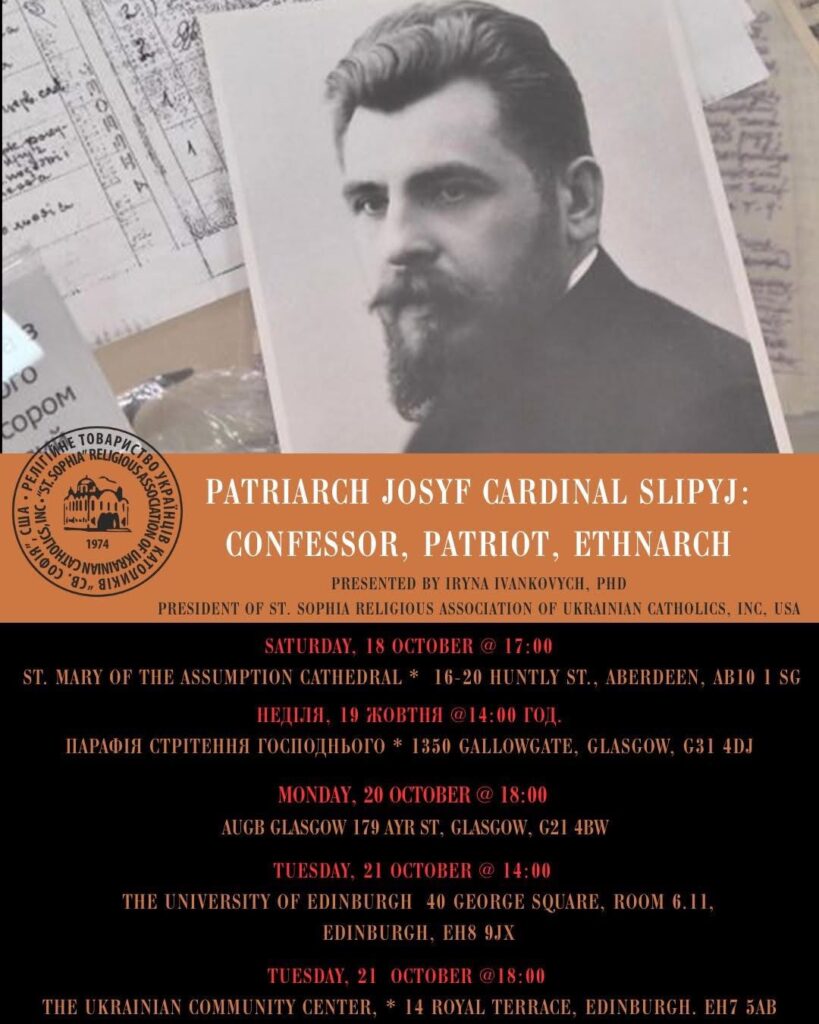
“I will be as great as my people will be.” [1] With these words, Patriarch Josyf Slipyj addressed the clergy and laity of the Ukrainian Greek Catholic Church gathered at the Minor Seminary in Rome on February 28, 1965, upon his elevation to cardinal.

Josyf Slipyj was born in Zazdrist, western Ukraine in 1892. He was ordained a priest in 1917 and studied at Lviv, Innsbruck, and Rome. From 1925 to 1939, he served as the Lviv Theological Seminary (Academy from 1928) rector. Consecrated as a bishop in 1939, he became the Greek Catholic Metropolitan Archbishop of Lviv and Halych on the death of Andrey Sheptytsky in November 1944. In April 1945, the Soviet political police arrested him along with four other Greek Catholic bishops. He was tried for treason and sentenced by a military tribunal in May-June 1946, re-sentenced in 1953, and re-arrested and sentenced in 1958-1959, altogether spending close to eighteen years in prisons, forced labor camps, and administrative exile. After lengthy negotiations among US President John F. Kennedy, Pope John XXIII, and Soviet Premier Nikita Khrushchev, Metropolitan Josyf was released in late January 1963 but forbidden to return to his faithful in Ukraine. Exiled to Rome, he addressed the Second Vatican Council. He was elevated to Major Archbishop in 1963 and officially named a cardinal in 1965. Josyf Slipyj persistently defended the rights of his persecuted Church and called for its recognition as a patriarchate. He died in Rome on September 7, 1984. 

The theme of Cardinal Slipyj’s patriotism is multifaceted, with much yet to explore. The Patriarch’s dedication to the Ukrainian language is little known, but it serves as the bedrock of national consciousness, a bulwark against assimilation, and a unifying force for any nation. The historical practice of the Ukrainian Greek Catholic Church demonstrates the close connection between people, culture, language, faith, rite, Church, and God. It was within this context that Josyf Slipyj championed language, reminding participants at the Congress of Ukrainian Catholics in Canada on June 27, 1971: “…One language, one Christian faith, one prayer, one Service of God, one rite, one national Ukrainian consciousness, one great love for our princely and Cossack past, one culture, literature and art, one state tradition and customs, consolidated by centuries of history, form a solid foundation for our continued struggle!… one shepherd, one flock. In its unity lies an indomitable strength, assured by the Savior, an immovable force for it was, is, and always will be.” [2]

Patriarch Josyf Slipyj lived through some of the darkest times for the Ukrainian people, marked by brutal occupations under Polish nobles, German Nazis, and Russian Soviets, leaving indelible scars on his soul. His leadership drew from national history, culture, Christian humanism, and a broad philosophical and cultural foundation. Slipyj’s approach to linguistic patriotism and national identity within these realms should be understood.

  1. Family and School: The Cradle of Language Education

 Josyf Slipyj deeply understood the pivotal role of language in preserving the core of Ukrainian national identity, as evidenced by his words: “The native language is an imperishable treasure preserved by our ancestors despite countless prohibitions and persecutions, passed down to us as a legacy.” [5] Throughout Ukrainian history, there have been at least 134 attempts to ban or suppress the language, resulting in various detrimental and, in some cases, unavoidable consequences rooted in feelings of inferiority and national subjugation. Hence, the mechanisms of resistance that safeguarded the Ukrainian language from complete eradication within Ukraine and in diaspora communities are particularly noteworthy.

Josyf Slipyj identified these mechanisms primarily as the Church, the Christian family, and the native school. In his “Testament,” the Patriarch articulated a spiritual and intellectual imperative for Ukrainians worldwide: “The Christian family and the native Ukrainian school are prerequisites for the wholesome upbringing of future generations! Therefore, I command you: revive and preserve them in Ukraine and all settlements of our Ukrainian people! (…) Engrave in your hearts the pure and immaculate name of our Holy Church!” [6]

Thus, these three pillars—family, school, and Church—formed the cradle of national, Christian, and linguistic education for every Ukrainian. Their preservation, both in Ukraine and abroad, guaranteed the survival of the entire nation: “I am immensely pleased that those born in foreign lands cherish their Church, their nation, their native language, and our native rite, thanks to their relatives and teachers. Never forget all you have learned from your parents and spiritual mentors, for they impart to you the cherished treasures of our past, which we struggled to preserve for our people.” [9]

Despite the differing circumstances faced by Josyf Slipyj within Ukraine and in the diaspora, the specters of assimilation and linguistic homogenization threatened both. Therefore, in this triumvirate—family upbringing, education in native schools, and spiritual formation within the Church—the Patriarch saw safeguarding all facets of national identity, including the Ukrainian language.

  1. Historical and Ecclesiastical Discourse

The review published in the “Myrianyn” [Laity] magazine (XI-XII.1969) lauded Slipyj’s indisputable contributions to preserving crucial aspects of Ukrainian identity, placing him alongside Ivan Kotliarevsky, Markiyan Shashkevych, Taras Shevchenko, and Metropolitan Andrey Sheptytsky—individuals who “bravely defended their national cause, rousing it from its slumber and charting the course for national and religious revival.” [26]

It was also pertinent for the editorial board to acknowledge the undeniable contribution of Metropolitan Andrey Sheptytskyi (18956-1944) to the Ukrainian cause. He defined the nation’s genetic code: “What unites a group of people as a nation? Above all, language.”

  1. Tutorial and Educational Discourse in the Ukrainian Greek Catholic Church: A Historical Perspective

The Soviet regime’s imposition in Western Ukraine marked a pivotal juncture in the erosion of Ukrainian identity. Faced with emigration or clandestine adherence to their national and religious beliefs, many Ukrainians opted for the former, dispersing to the Western world. Meanwhile, Metropolitan Josyf Slipyj endured 18 years of imprisonment, during which educational institutions pivotal for Ukrainian intellectual life were systematically dismantled. The Soviet regime enforced atheism, denationalization, and Russification, prompting Slipyj to decry the deliberate assimilation efforts that scattered Ukrainian youth and intellectuals in exile and prisons.

Reflecting on these challenges, Jaroslav Pelikan noted parallels with other ethnic groups’ histories [32]. He cited Gerald Shaughnessy’s sociological study, “Did the Immigrant Keep His Faith?”, which revealed generational shifts among Roman Catholic immigrants in America. These insights underscored the dangers of cultural and religious assimilation faced by the Ukrainian diaspora, exacerbated by intermarriage and migration across different national communities.

Metropolitan Josyf Slipyj’s response was to establish Ukrainian education and culture centers, envisioning these as bulwarks against assimilation. His initiative culminated in the founding of the Ukrainian Catholic University in Rome in 1963, aimed at nurturing Ukrainian intellectualism and fostering national consciousness among students. Emphasizing the pivotal role of the clergy, Slipyj sought to cultivate a cadre of Ukrainian-speaking priests who would uphold the Ukrainian identity in diaspora communities. [33]

Beyond clergy formation, Slipyj championed the development of a nationally conscious secular intelligentsia, advocating for a blend of religious and patriotic education to counteract cultural erasure. The university’s faculty, comprising renowned linguists and scholars like Yaroslav Rudnytskyi, Oleksa Horbach, Mykhajlo Sonevytskyi, and Vasyl Lev, laid the linguistic groundwork for Ukrainian studies, publishing seminal works and dictionaries crucial for preserving the Ukrainian language and culture.

Despite geographical challenges, including political isolation and societal assimilation pressures, Slipyj expanded the university’s outreach, establishing branches in Argentina, North America, and Europe. These branches aimed to educate future leaders committed to Ukrainian heritage and Church traditions, countering the pervasive linguistic and cultural assimilation trend.

  1. Liturgical and Theological Discourse

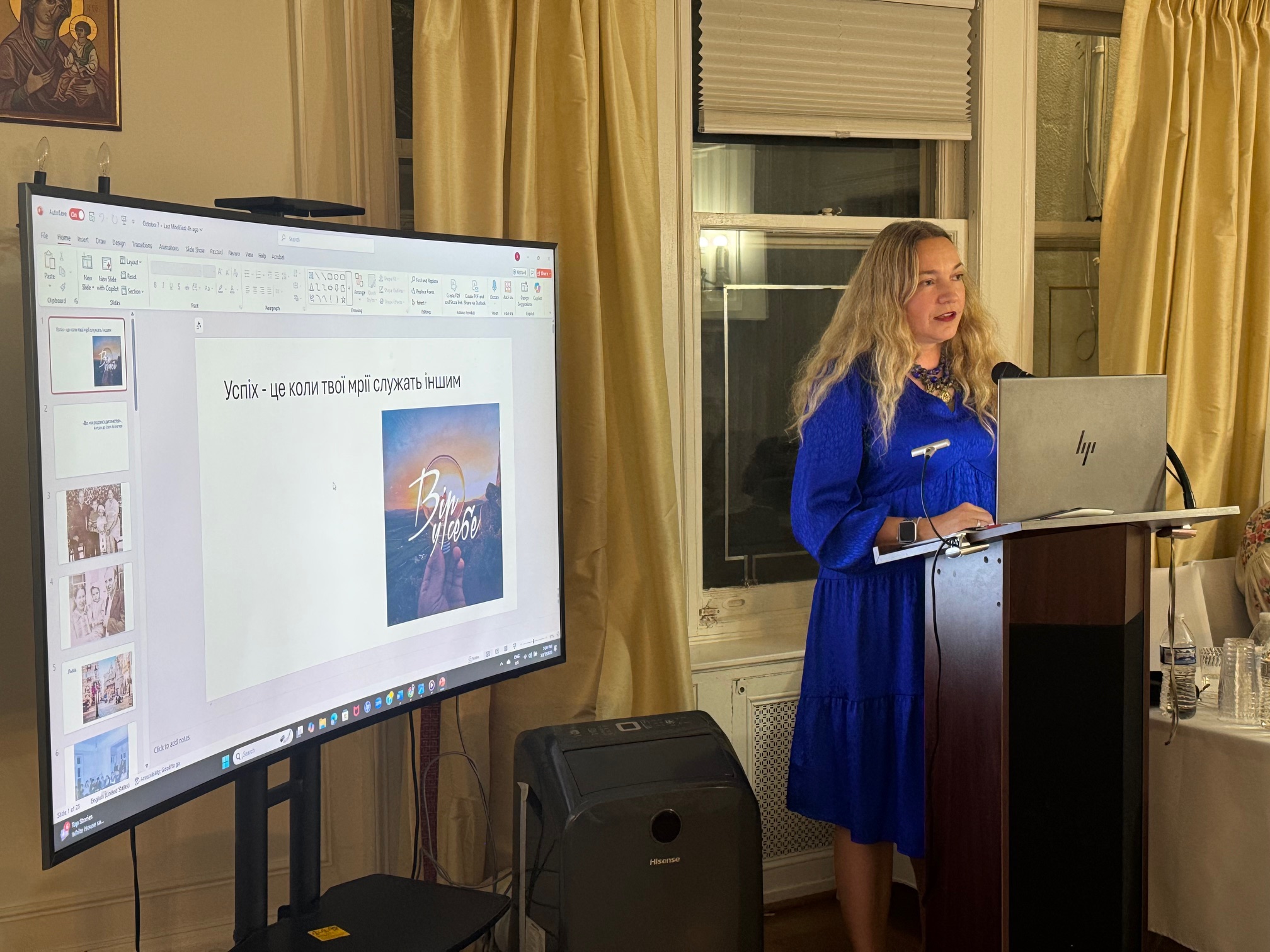
The language issue became intensely critical for Patriarch Slipyj upon his return to the free world, particularly within liturgical and theological discussions. During his imprisonment, the hierarchy of the UGCC, without centralized leadership and dispersed across continents, gradually lost unity, consensus, and a clear purpose within the Church. This internal discord made it challenging to resist the pressures of assimilation from foreign environments. This trend was evident in various experiments with the church calendar, liturgical changes, and the use of different languages—innovations sometimes unilaterally adopted by individual UGCC eparchies.                                                                                                                             Slipyj staunchly opposed the introduction of foreign languages into religious services, viewing language as integral to preserving national and ecclesiastical identity.  In a letter to Dr. Romana Navrotska of St. Sophia Religious Association of Ukrainian Catholics, Inc., he expressed concern that English-language services could endanger Ukrainian traditions and weaken the Ukrainian Church’s distinct identity. [41] Similarly, in correspondence with Fr. Ivan Tataryn, Slipyj viewed translations into other languages as detrimental, reinforcing assimilation and undermining the Ukrainian Catholic Church’s Byzantine heritage. [42] Patriarch Josyf Slipyj urged measures to maintain the Ukrainian language in the liturgy to safeguard identity, particularly in multilingual communities in Canada, where the idea of maintaining diverse languages was promoted. His efforts culminated in adopting Ukrainian language liturgies and theological teachings, cementing the Ukrainian Catholic Church’s role as a bastion of Ukrainian cultural continuity.

CONCLUSION

Preserving linguistic identity was a national, moral, and spiritual imperative for Patriarch Josyf Slipyj and the global Ukrainian community. His words, delivered in 1975 in Rome, remain relevant today, especially amidst the current Russian war and genocide of the Ukrainian people.

He urged, “Ukrainian people, rediscover yourselves! Shed the ancient ailments of discord, servitude, flattery, and humiliation still afflict our national and Church leadership. Cast off the burdens of the past and stand strong in Ukraine and beyond its borders! Let the world marvel at your strength, profound faith, beauty, and rich culture! It is time to assert yourselves politically, scientifically, artistically, and culturally! (…) Be unified and steadfast and forsake foreign influences. You have already carved out your place through your Ukrainian Church, organizations, political maturity, culture, sciences, literature, and arts!” [43]

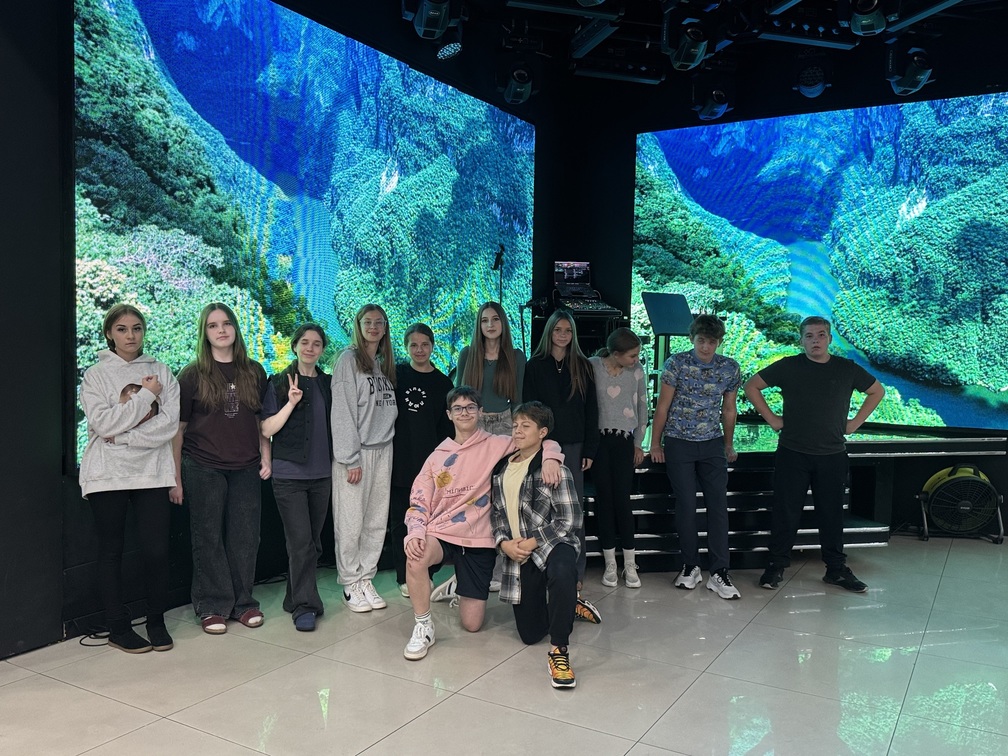
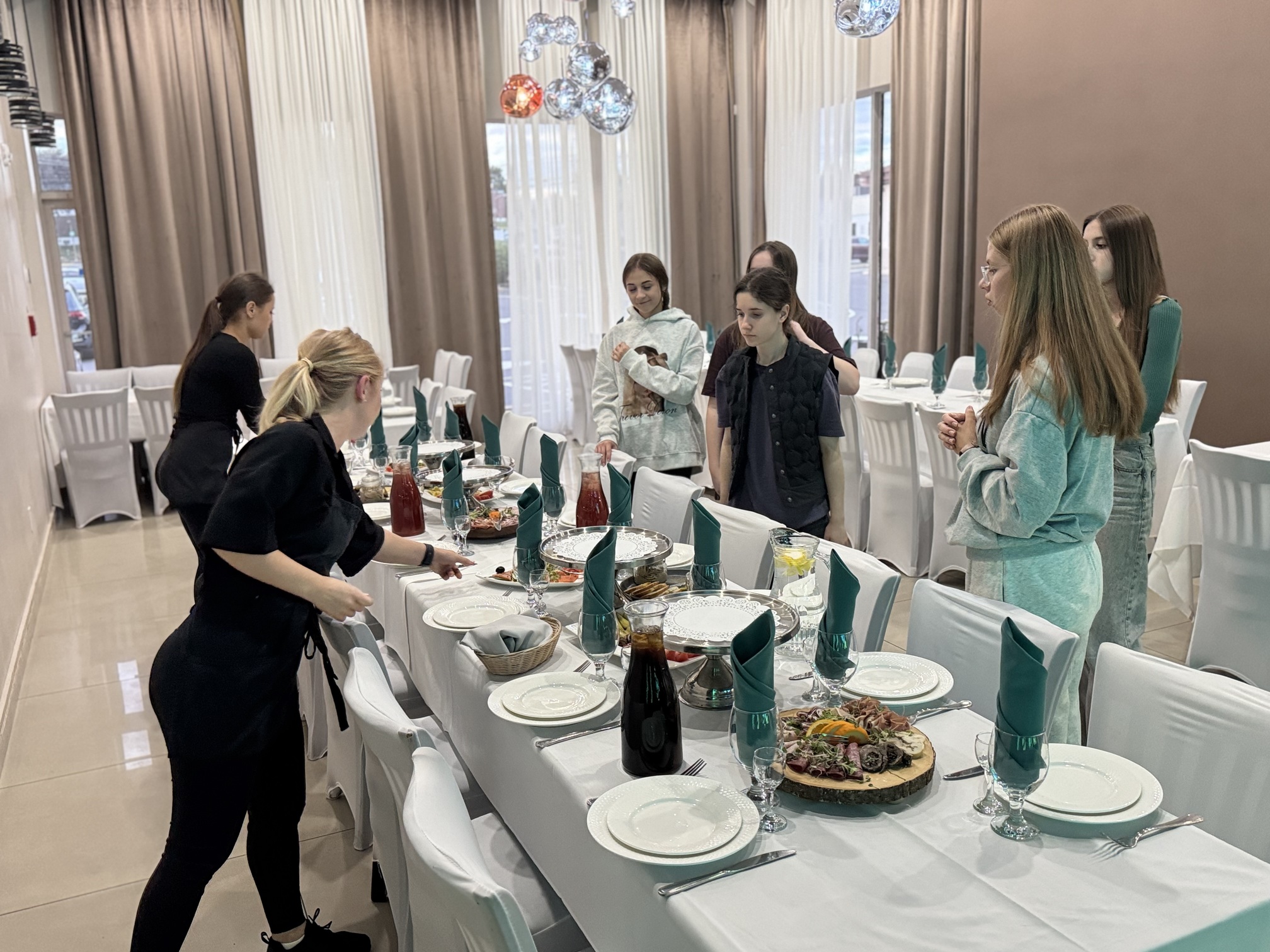
4-та зустріч Школи шляхетного юнацтва St Sophia ReligiousAssn of Ukrainian Catholics, USA

4-та зустріч Школи шляхетного юнацтва St Sophia ReligiousAssn of Ukrainian Catholics, USA у один із найпамʼятніших (властиво темних) днів світової історії – колапсу демократії – дав нам нагоду пригадати історію визвольних змагань України в XX-му столітті .

📌Разом з Andriy Zhyvachivskyi ми пройшли найважливіші етапи злетів та поразок боротьби українців за незалежність та суверенність;
📌 пригадували визначних політичних діячів: Дмитра Донцова, Михайла Міжновського, Михайла Грушевського, Симона Петлюру, Павла Скоропадського, Степана Бандеру, Євгена Коновальця, Романа Шухевича, о. Августина Волошина;
📌 порівнювали мапу України у різні часи поневолення, а також говорили про головні республіки, з яких складалася українська держава: УНР, ЗУНР, Карпатська Україна;
📌аналізували головні державотворчі акти;
📌 мали нагоду отримати від п. Андрія цінні книги та шеврони за відмінні знання історії;
📌 сфотографуватися з державним прапором України, якому – увага! – 107 років!
📌 у підсумку: сьогочасні події – це історичне de ja’vue понад столітньої давності, коли світова спільнота не була зацікавлена у існуванні соборної української держави. Тому нашим завданням сьогодні є не повторювати помилок минулого і відстояти цілісність України🇺🇦

Разом з Оксана Халуп’як вивчали
історію ткацтва, мали нагоду оглянути тканий гобелен, а відтак
опановували навички на власних міні-верстатах. Ствердили, що наші ткачі – справжні майстри, адже на професійних верстатах творять шедеври, якими захоплюється увесь світ🇺🇦
Дякуємо Богові за все 🫶🏻
Далі будe

«Твоїм будущим душу я тривожу»: у Заздрості вшанували пам’ять про Патріярха Йосифа Сліпого

В неділю, 23 лютого, в родинній колисці Патріярха Йосифа Сліпого (1892-1984) що у селі Заздрість на Тернопільщині, урочисто завершено вшанування 133-ої річниці від дня народження Глави Катакомбної Церкви.

Божественну Літургію в каплиці Музейно-меморіяльного комплексу “Рідна хата” ім. Йосифа Сліпого (ММК) відслужив парох церкви святого Йосифа Обручника с. Заздрість отець Роман Завіша. У проповіді душпастир звернув увагу на силу духа і незламність Ісповідника Віри.

Мистецьким акордом відзначень стала музично-літературна композиція “Твоїм будущим душу я тривожу…” у виконанні володарів Гран-прі міжнародних конкурсів, чоловічого вокального квартету” Акорд” Тернопільської обласної філармонії. Програму вела заслужена артистка України Адріана Онуфрійчук.

 У заході взяли участь директорка Заздрістської гімназії ім. Йосифа Сліпого Ольга Шеліга;  секретарка Микулинецької селищної ради Ольга Слободян; директорка Микулинецького закладу дошкільної освіти Віра Кравчук; представниці Микулинецької ОТГ Ольга Кашицька,  Людмила Сицевич, Ольга Вібла;  членкині клубу приятелів ММК “Рідна хата”, гості,  парафіяни місцевої церкви.  

На закінчення програми Голова Представництва Релігійного Товариства “Свята Софія” США в Україні Данута Іванкович висловила глибоку вдячність ведучій Адріані Онуфрійчук і квартету  Акорд за високий професійний рівень виконання. Звертаючись до присутніх, очільниця Представництва зазначила: “Блаженніший Йосиф належав до тих постатей, які творять історію, впливають на її хід і визначають наслідки. Такі речі можливі лише тоді, коли глибоко стоїш на принципах правди, володіючи найціннішою християнською чеснотою – любов’ю! Будьмо вдячні Богові за те, що в цей час нашого національного і світового лихоліття Він післав нам  новітнього  Мойсея, який вивів Українську Церкву і наш Народ на світовий форум, де відстояв правду й істину».

Нагадаємо, що Музейно-меморіяльний комплекс «Рідна хата» було споруджено заходами Релігійного Товариства Українців Католиків “Свята Софія” США у 1995-1998 рр.

Пресслужба Товариства «Свята Софія» США

3-тя зустріч Школи шляхетного юнацтва St Sophia Religious Assn of Ukrainian Catholics, USA

3-тя зустріч Школи шляхетного юнацтва St Sophia Religious Assn of Ukrainian Catholics, USA на фоні турбулентності навколо України🇺🇦
Усі з тривогою стежать за новинами, проте нашим завданням є зберегти наше українство за будь-яких обставин. Тому разом з Oksana Shevtsiv Kytsenyuk ми поринули в світ традицій і пізнавали історію та елементи українського національного строю.
📌 говорили про регіональні особливості жіночого та чоловічого вбрання;
📌 знайомомилися з основними складовими костюма;
📌 пізнавали жіночі прикраси і головні убори, зокрема способи вʼязання хустки;
📌 говорили про українську скриню та її багатство 🫶🏻
📌 дійшли до висновку, що жодна інша культура не може пишатися таким багатством, як українська🇺🇦

На другому занятті закріпили навички самозахисту з офіцером Віталієм Кобилянським і провели тренінг на фізичну стійкість. 💪🏻

Дякуємо Богові за все і йдемо далі 🫶🏻

Молодь Релігійного Товариства українців католиків «Свята Софія» США вшанувала пам’ять про Патріярха Йосифа Сліпого

17 лютого виповнюється 133 роки від дня народження Слуги Божого Патріярха Йосифа Сліпого (1892-1984). Пам’ять про цього великого українця вшанували в Релігійному Товаристві українців католиків «Свята Софія» США (ТССА). Молодь Школи шляхетного юнацтва, що діє при ТСС А, та юні приятелі Товариства відвідали музейну кімнату Патріярха Йосифа, де помолилися за душу фундатора Товриств «Свята Софія».

Під час екскурсії, що її провела Голова американського Товариства й директорка Школи д-р Ірина Іванкович, юнаки й дівчата пізнавали життєвий подвиг одного із найвидатніших церковних діячів ХХ-го століття. Вони мали нагоду оглянути особисті речі Патріярха Йосифа, мощівник із його волоссям, численні рукописи, світлини, предмети особистого вжитку, ювілейні медалі, значки тощо. І. Іванкович підкреслила геройські чесноти Ісповідника Віри, зокрема наголосила на його безкопромісному протистоянню злу у всіх його проявах. Вона зазначила: «Патріярх Йосиф Сліпий був людиною світового масштабу, однак до кінця своїх днів залишався стовідсотковим українцем. Значну частину життя він провів поза Україною, проте у всіх місцях свого вимушеного перебування працював для батьківщини, болів її стражданнями і не полишав надії на те, що Україна буде. Нам, «в розсіянні сущим», варто звертатися до його прикладу, особливо в спокусах асиміляції, меншовартости та зневіри. Пишаймося тим, що ми українці і, як заповідав Йосиф Сліпий, «великого бажаймо!»»

В дар від Товариства «Свята Софія» США юнаки й дівчата отримали книгу австралійського письменника Мориса Ланґло Веста «Черевики рибалки», який історію головного героя папи Кирила Лакоти побудував на біографічних фактах з життя Патріярха Йосифа Сліпого.

Опісля підлітки виготовили 30 Великодніх пакунків для підрозділу «Барні» 10-ої окремої гірсько-штурмової бригади «Едельвейс». На відеозв’язку з молоддю був командир взводу Степан Барна.

Напередодні молодь Школи шляхетного юнацтва брала волонтерську участь у праці з дітьми в рамках пастирського візиту Блаженнішого Патріярха Святослава Шевчука до Філадельфії.

Нагадаємо, що Школу шляхетного юнатцва було засновано в 2023 році. У цьому просвітницькому проєкті беруть участь юнаки та дівчата віком 13-17 років. Фундаментом Школи є: духовність, інтелект, етика й естетика.

Пресслужба Товариства «Свята Софія» США

Показ вишиванок у Товаристві “Свята Софія”, США

«Краса і тільки трішечки краси,
Душі нічого більше не потрібно» (Ліна Костенко)
 
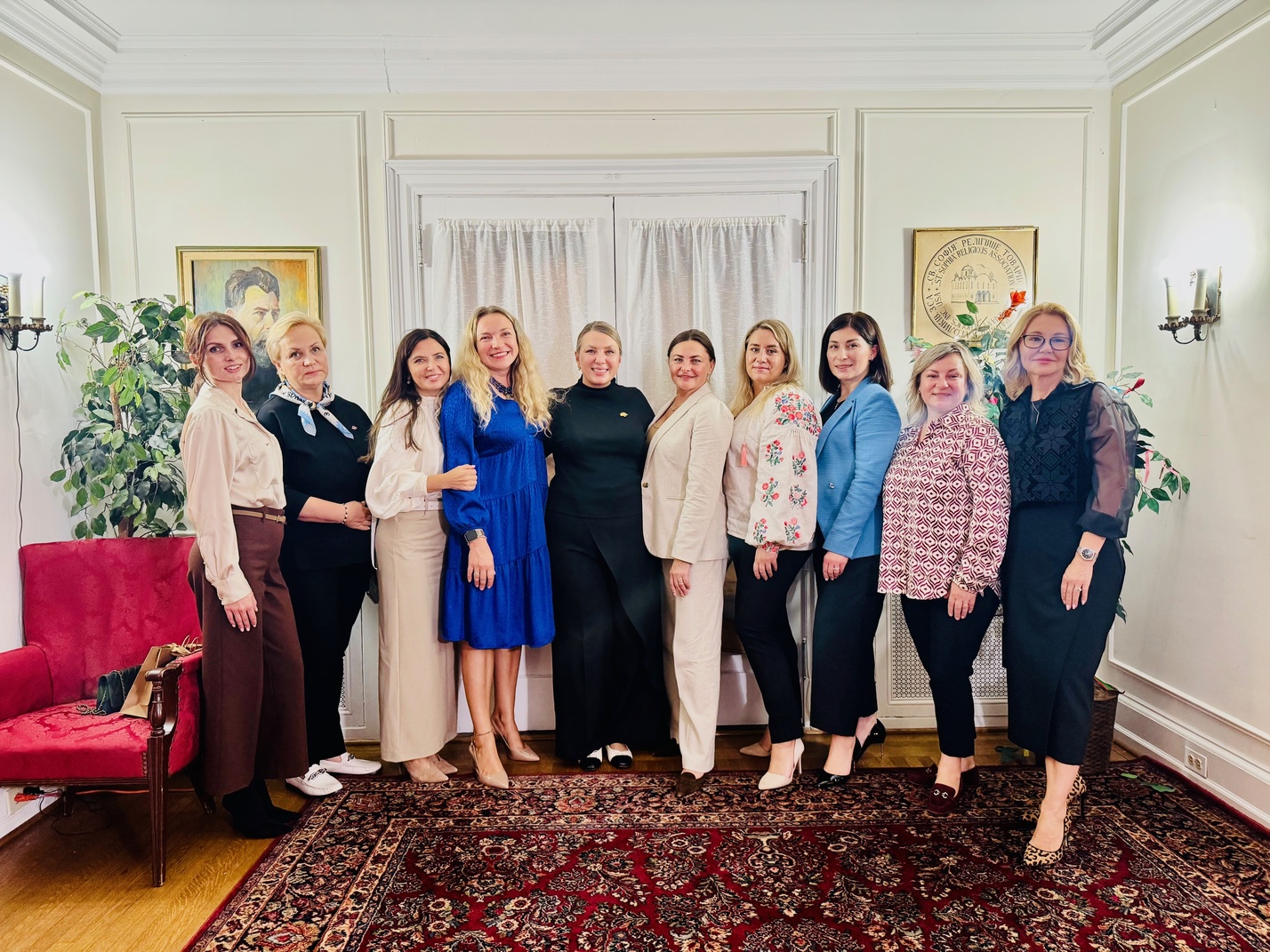
Вечір краси і традиції в St Sophia Religious Assn of Ukrainian Catholics, USA з чудовою майстринею Іриною Мізь відкрив весняні посиденьки жіночого клубу «СофіЯ»🌺
 
Для кожного українця вишивка – це сакрум, оберіг, ДНК, а ручна, авторська вишивка несе у собі тисячолітній спадок наших предків.
Тому показ виробів Ірини став справжнім святом для усіх присутніх, адже кожна вишиванка вражала унікальністю та майстерністю виконання🫶🏻
Ця подія – подарунок до 1-го дня народження жіночого клубу, який припадає за кілька днів. 
Окреме спасибі моделям та усім учасницям благодійної лотереї на підтримку підрозділу «Барні» 10 окрема гірсько-штурмова бригада «Едельвейс»🫶🏻
 
Запрошуємо на наступні посиденьки 18 лютого й 1 березня 🫶🏻

2-га зустріч Школи шляхетного юнацтва St Sophia Religious Assn of Ukrainian Catholics, USA

2-га зустріч Школи шляхетного юнацтва St Sophia Religious Assn of Ukrainian Catholics, USA традиційно подарувала широкий спектр емоцій 🤗
На першому занятті говорили про любов, аналізуючи фрагмент із 1-го послання до Коринтян📌 роздумували над різними типами любові: до Бога, Батьківщини, родини, друзів, чотирилапих приятелів, природи тощо
📌 говорили про історію св. Валентина, на честь якого святкуємо День Закоханих
📌 знайомилися із символами та традиціями святкування у різних країнах
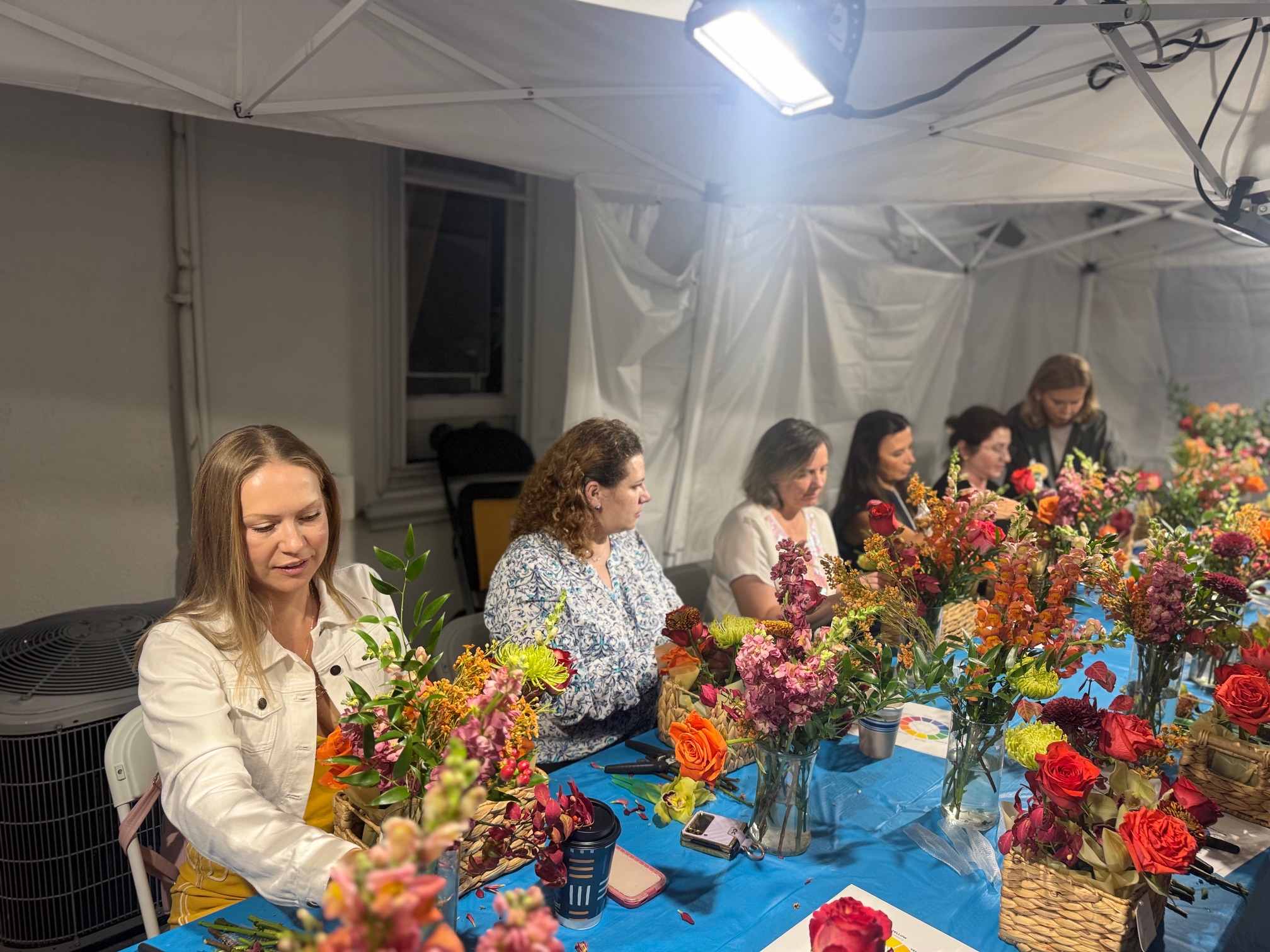
📌 власноруч виготовили святкові букети із запахом троянд 🌹🌹🌹

На другому занятті разом із офіцером поліції Віталієм Кобилянським та Максимом Татарчуком продовжили вивчати елементи самозахисту. Сьогодні намагалися нейтралізувати агресора у лежачому положенні. Принагідно передали Віталієві грамоту від підрозділу «Барні» 10 окрема гірсько-штурмова бригада «Едельвейс» за підтримку військових 🇺🇦

А ще гучним многоліттям вітали напередодні уродин Улянку Мельник

З Богом рухаємося далі 🫶🏻